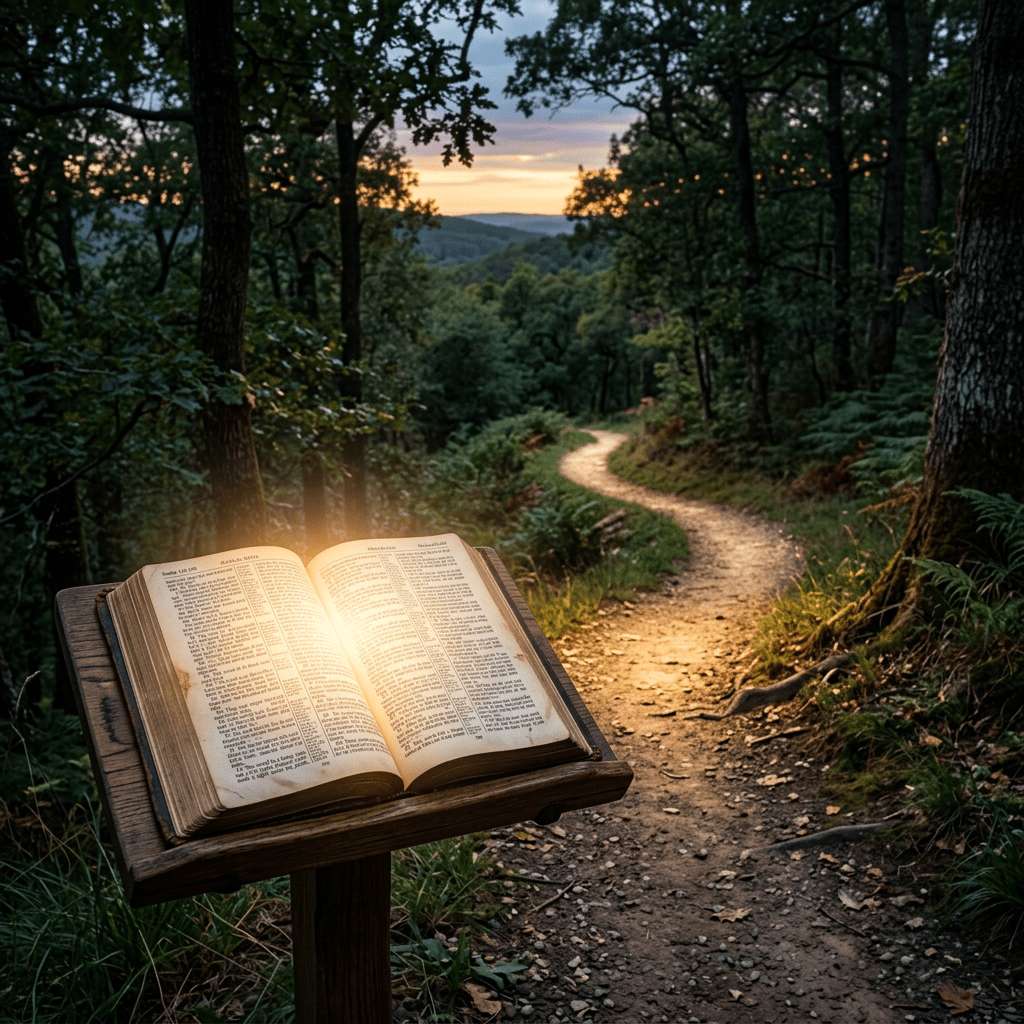
My dear friends, June 13th invites us to pause and reflect on the choices shaping our lives. Each day presents decisions, some small, some life-altering, all carrying weight. Wisdom grows when we slow down, seek truth, and choose what aligns with God’s heart.
When emotions push us to act quickly, wisdom asks us to breathe, reflect, and consider the long-term impact. Scripture reminds us that understanding comes to those who seek it with intention. Wisdom is a response shaped by clarity, patience, and truth.
Every choice becomes a seed. Some grow into peace, stability, and purpose, while others grow into regret. Anchoring our decisions in God’s Word builds on a foundation that has stood the test of time.
Substantiated information matters in a world full of opinions, half-truths, and emotional noise. Grounding our decisions in what is true, proven, and aligned with God’s principles protects us from unnecessary harm and keeps us steady when everything around us feels uncertain.
Three ways to walk in wisdom today: 1. Pause before choosing. 2. Seek God’s truth first. 3. Evaluate the fruit.
If you’re facing a heavy decision, don’t rush. Wisdom grows in quiet spaces where we allow God to speak. Let His truth guide you, His peace steady you, and His wisdom shape the path ahead.
May your choices today be grounded, thoughtful, and filled with God’s steady guidance.💕✌️🙏
An open book sits on a wooden plank at a forked dirt path during sunset
My dear friends, As we step into June 11, today’s reflection invites us to look closely at the choices we make — not just the big, life‑shaping ones, but the quiet, everyday decisions that slowly build the direction of our lives. The devotional for this date emphasizes something simple yet powerful: wisdom grows when we choose truth, clarity, and thoughtful action over impulse and pressure.
When Decisions Feel Heavy
We all know what it’s like to face choices that feel overwhelming. Sometimes the pressure comes from people around us. Sometimes it comes from our own fears. And sometimes it comes from the noise of the world telling us to hurry, react, or follow the crowd.
But wisdom doesn’t grow in chaos. Wisdom grows in clarity, truth, and intentionality.
The Devotional’s Heartbeat
While I won’t quote the book directly, today’s message highlights three steady truths:
Wisdom requires honesty — with God, with ourselves, and with the information we rely on.
Sound decisions come from grounded understanding, not from assumptions or emotions alone.
God invites us to slow down, listen, and seek what is true before we act.
These themes remind us that wisdom is not a feeling — it’s a practice.
Why Substantiated Information Matters
In a world full of opinions, rumors, and half‑truths, making wise decisions means taking the time to gather reliable, accurate, and grounded information. Not everything we hear is true. Not every voice deserves authority. Not every emotion should lead the way.
Wisdom asks us to pause and ask:
Is this true?
Is this aligned with God’s character?
Is this decision rooted in clarity or in pressure?
This is how we avoid regret and walk with confidence.
Walking with Intention
Friends, wisdom is not accidental. It is something we choose — moment by moment, decision by decision. When we slow down, pray, and seek truth, we create space for God to guide us with peace instead of panic.
A simple practice for today: Before making any decision — big or small — take a breath and ask: “Lord, show me what is true, and help me choose what honors You.”
Final Encouragement
May today be a day of steady choices, grounded hearts, and clear minds. May God give you the courage to pause, the discernment to seek truth, and the wisdom to walk with intention. And may every decision you make today reflect the peace and clarity that come from Him.💕✌️🙏
A woman stands at a forest fork deciding between paths labeled Chaos and Wisdom
As we step into June 10th, today’s reflection reminds us that wisdom is not something we stumble into — it is something we choose, pursue, and practice. Scripture consistently calls us to be people who think deeply, discern carefully, and act with intention. God never asks us to move blindly; He invites us to walk with understanding.
In a world full of noise, opinions, and quick reactions, it becomes easy to lean on impulse or emotion. But sound decisions are built on something stronger — truth, clarity, and the willingness to pause long enough to see the fuller picture. When we slow down and seek God’s perspective, we begin to recognize what is good, what is right, and what leads to peace.
Today, let this be your encouragement: Choose the path that is supported by wisdom, not pressure. Choose the action that aligns with truth, not convenience. Choose the voice of God over the noise of the moment.
When we anchor our decisions in substantiated understanding — in Scripture, in prayer, in thoughtful reflection — we find ourselves walking with greater confidence and fewer regrets. God delights in guiding those who seek Him with an open and teachable heart.
May your choices today be steady, grounded, and filled with His wisdom.
Blessings to each of you, my friends.💕✌️🙏
A glowing Bible rests on a wooden stand along a serene forest trail at sunset.
Have you ever found yourself reacting impulsively to a difficult situation, only to regret it later? Or maybe you’ve faced a pivotal decision and felt overwhelmed by the noise of opinions and pressure from those around you. If so, you’re not alone. Many of us long for clarity and guidance when life’s choices seem uncertain.
In this post, we’ll explore how slowing down, seeking truth, and trusting God’s guidance can help you make decisions rooted in wisdom. Drawing from timeless spiritual principles and practical steps, you’ll learn how to walk with intention and peace in your daily life.
Whether you’re at a crossroads or simply want to make better choices, this guide will empower you to approach decisions with clarity and confidence.
The Power of Slowing Down: Why Impulse Doesn’t Lead to Clarity
In our fast-paced world, the tendency to react quickly when faced with a challenge or opportunity can feel unavoidable. But quick reactions often result in hasty decisions that don’t serve our long-term well-being. Instead, the first step toward wisdom is learning to slow down.
When you take time to pause—whether through prayer, reflection, or simply a few deep breaths—you create space for clarity. As Edwin Everly emphasizes, wisdom doesn’t develop in the rush of immediate reactions; it grows in moments of silent listening and honest reflection.
Why this matters: Impulsive decisions can lead to regret, but a deliberate pause allows you to consider your options more objectively. Slowing down helps you avoid knee-jerk reactions that may not align with your values or God’s purpose for your life.
How to do it: Set aside a few minutes each day for quiet reflection. Practice deep breathing or meditation to center your thoughts. When faced with a decision, resist the urge to react immediately—give yourself permission to reflect.
Example: If someone criticizes you at work, instead of retaliating or feeling defensive, take a moment to breathe and assess the situation calmly. Ask yourself what’s truly being communicated, and how you want to respond based on your values.
Common mistake: Rushing to respond out of emotion or pressure from others. Slow responses foster wisdom.
Seek Reliable Truth: The Foundation of Wise Decisions
Making sound decisions isn’t just about slowing down—it’s also about gathering truthful, reliable information. In today’s information age, we are bombarded with opinions, trends, and noise that can cloud our judgment.
The key is to seek substantiated information that aligns with your core values and beliefs. Edwin suggests that honesty—about what we feel, what we know, and what we still need to learn—is the starting point for wisdom.
Why this matters: Decisions rooted in false assumptions or incomplete understanding can lead us astray. By seeking truth, you ensure your choices are anchored in reality, not fleeting opinions.
How to do it: Spend time in prayer and reflection, asking for God’s wisdom. Read scripture and seek guidance from trusted mentors or resources. Evaluate information carefully—consider sources, context, and consistency with your values.
Example: Before making a financial decision, research thoroughly, seek counsel, and pray for discernment. This way, your choice is grounded in God’s truth rather than external pressure.
Common mistake: Relying on superficial or biased information. True wisdom requires honest effort to understand the full picture.
Trust God’s Guidance: The Steady Light on Your Path
Once you slow down and gather truthful information, the next step is trusting the divine guidance that God offers. As scripture reminds us, God generously grants wisdom to those who ask. Wisdom then becomes a steady light—illuminating your path even in darkness.
Why this matters: Trusting God’s guidance brings peace and confidence, especially in uncertain times. It shifts the focus from external pressures to internal assurance rooted in faith.
How to do it: Pray intentionally, asking God for wisdom and clarity. Listen for His voice through scripture, circumstances, and the peace you feel in your heart. Remember, wisdom isn’t just knowledge—it’s discernment and trusting that God is working for your good.
Example: When facing a big life change, seek God’s direction in prayer, and wait for His peace before taking action. Trust that He is creating something strong and steady within you.
Common mistake: Ignoring internal peace or rushing ahead without seeking divine guidance. Patience and trust foster wise decisions.
Walk with Peace and Wisdom Every Day
The journey toward wise decision-making is ongoing. Every day offers new opportunities to practice slowing down, seeking truth, and trusting God’s guidance. By making these practices a habit, you’ll develop a steady, peaceful approach to life’s choices.
Remember, your future is shaped one thoughtful decision at a time. As Edwin encourages, walk with intention—peaceful, wise, and trusting in God’s plan for you.
Your action plan:
– Dedicate a few moments daily for reflection and prayer.
– Gather truthful information before making important decisions.
– Trust God’s guidance and walk forward with peace.
– Reinforce these habits, especially in challenging times.
Final encouragement: Embrace slow, honest, and trust-filled decision-making as your path to personal growth and spiritual strength.
FAQ: Making Wise Decisions with Faith
Q: How can I learn to slow down during busy days?
A: Schedule brief moments of silence—like deep breaths or prayer—throughout your day. Consistency builds a habit of reflection.
Q: What if I don’t feel confident about my decisions?
A: Trust that God’s wisdom is available to you. Pray, seek counsel, and listen for the internal peace that confirms your path.
Q: How do I distinguish between my voice and God’s voice?
A: Pay attention to the qualities of peace, encouragement, and alignment with scripture. God’s voice will resonate with truth and love.
Q: What role does community play in making wise choices?
A: Trusted mentors and supportive friends can provide insight and accountability, helping you stay grounded in truth.
Q: How can I maintain decision-making clarity in stressful situations?
A: Return to prayer, breathe deeply, and consult reliable sources of information. Trust God’s peace to stabilize your heart.
My dear friends, Some days carry a quiet invitation — a nudge to pause, breathe, and look honestly at the choices shaping our lives. June 9th feels like one of those days. The devotional themes for this season often remind us that wisdom is not accidental. It grows in us when we slow down long enough to listen, reflect, and choose with intention.
Today’s reflection centers on this truth: sound decisions are built on solid understanding, not impulse. In a world overflowing with opinions, noise, and pressure, it’s easy to react quickly. But quick reactions rarely lead to clarity. What strengthens us is the willingness to seek substantiated information, to weigh what is true, and to align our choices with the values God has planted within us.
Wisdom begins with honesty. Honesty about what we feel. Honesty about what we know. Honesty about what we still need to learn.
When we take time to gather reliable information, to pray, and to reflect, we create space for God’s guidance to settle in our hearts. Scripture reminds us that God gives wisdom generously to those who ask — and that wisdom becomes a steady light for our path.
So today, let this be your encouragement: Slow down. Listen deeply. Seek truth, not trends. Let your decisions be shaped by clarity, not pressure. And trust that God is forming something strong and steady within you.
Your future is shaped one thoughtful choice at a time. Walk with intention. Walk with peace. Walk with wisdom.💕✌️🙏
A forked dirt path in a dense forest illuminated by the setting sun
Have you ever felt like you were at a crossroads, faced with choices that could steer your life in different directions? It’s a common experience—moments when emotions pull us in one way, voices around us call in another, and pressure from outside influences makes decision-making even more challenging. If you’ve ever wondered how to move forward with clarity and confidence, this post will help you understand the importance of wisdom in decision-making, and how to incorporate it into your daily life.
Drawing from timeless biblical principles and practical guidance, I’ll share insights on how to cultivate wisdom, listen more intentionally, and slow down so your decisions align with your values. Whether you’re facing big life choices or everyday decisions, the key is to remember that wisdom isn’t accidental—it’s a habit you develop with purpose.
Let’s explore what it means to make wise decisions, what steps you can take to foster discernment, and how your choices today shape your future.
The Power of Intentional Wisdom at Crossroads
Many of us find ourselves at pivotal moments. These are times when deciding hastily can lead to regret, but taking the time to seek wisdom can bring peace and direction. Wisdom, in essence, is about making choices rooted in truth, discernment, and alignment with core values.
Scripture often reminds us that wisdom isn’t something we stumble upon; it’s something we actively choose. The heart that grows wise is one that listens—to God and to our inner voice—and filters out the noise of impulse and fear. When life presents forks in the road, the wisest move is to slow down and listen deeply.
Why is this so important? Because decisions made in haste often ignore vital factors—emotional reactions, external pressures, or fleeting impulses—leading us down paths we might later regret. Wisdom helps us to pause, reflect, and act with clarity.
How to Cultivate Wisdom Before Making Decisions
Making wise choices doesn’t happen by chance. It’s a process that involves intentional habits and attitudes. Here are practical steps to help you develop discernment:
1. Slow Down and Listen Deeply
In a culture that values speed, learning to pause is revolutionary. When faced with a decision, resist the urge to rush. Instead, take a moment—breathe, and listen. Ask yourself:
– What is true in this situation?
– What are my core values?
– What is the best outcome for everyone involved?
*Example:* If you’re unsure whether to accept a new job opportunity, take time to research, reflect on your goals, and seek advice from trusted mentors before committing.
2. Seek Solid, Not Sensational Information
In an age of instant opinions and half-truths, look for evidence and information rooted in facts. Don’t be swayed by hype or fear-based messaging.
Common mistake: Making decisions based solely on social media noise. Instead, verify facts, consult reliable sources, and ask yourself if the information aligns with your values.
3. Pray or Reflect for Clarity
If you believe in divine guidance, pray for wisdom before proceeding. Asking for clarity opens your heart to divine insight and helps quiet the mental clutter.
Quote: God’s wisdom is always available to those who ask. – A reminder that you’re not walking this path alone.
4. Align Decisions with Values
Your choices should reflect your deepest convictions. When tempted to compromise, ask:
– Does this decision align with my integrity?
– Will this move help me become the person I want to be?
5. Embrace the Growth Mindset
You don’t have to be perfect or have all the answers. Be willing to learn and grow from each choice, trusting that wisdom develops over time.
Message: You don’t have to walk alone. Your future is shaped by each small, thoughtful decision.
The Role of God’s Guidance in Decision-Making
Many find comfort and direction through faith. The steady voice of truth, rooted in scripture and prayer, can serve as an anchor when choices feel overwhelming. Regularly seeking God’s guidance helps us to avoid rushing into decisions driven by anxiety or external pressures.
Key takeaway: When unsure, pause and ask for divine wisdom. The truth is that divine guidance isn’t just for big decisions—it’s available for everyday choices too.
Why Your Decisions Matter
Every choice you make influences the trajectory of your life. Small decisions, maintained consistently over time, build towards significant outcomes. The wisdom we cultivate today prepares us for the opportunities and challenges of tomorrow.
Remember: perfection isn’t necessary. What matters is your willingness to grow, learn, and choose intentionally.
Your future self will thank you for the patience and discernment you exercise now. Each deliberate decision, no matter how small, shapes the story you’re living.
Final Thoughts: Wisdom Is a Daily Practice
Crossroads are inevitable, but how you navigate them determines your path. Cultivating wisdom means actively listening, seeking truth, aligning with values, and trusting divine guidance. It’s about slowing down enough to hear what’s true, then acting with confidence.
You don’t need to have all the answers—just a heart willing to grow and a mind committed to discernment. Your choices matter more than you realize, shaping not only your day-to-day life but your entire future.
FAQs – Making Wise Decisions
How can I tell if I’m truly making a wise decision?
Look for peace and clarity after considering all aspects. If your choice aligns with your values and feels right in your heart, it’s likely a wise decision.
What if I make a mistake even after seeking wisdom?
Mistakes are part of growth. When they happen, reflect, learn, and adjust. Wise people grow through their missteps.
How does prayer help in decision-making?
Prayer helps you pause, seek divine insight, and gain perspective beyond your own understanding. It can bring peace and confidence in your choices.
How can I improve my listening skills?
Practice active listening—focus fully on what others are saying without planning your response. Also, listen to your inner voice and the quiet promptings of your conscience.
Summary
Making wise decisions is about more than quick thinking—it’s about intentional listening, seeking truth, and aligning with your core values. By slowing down, asking for divine guidance, and trusting the process of growth, you set a foundation for a life built on wisdom and purpose. Remember, every small, thoughtful choice leads to a future shaped by discernment and integrity.
Takeaway: Embrace wisdom as a daily practice, and your crossroads will become opportunities for growth, clarity, and purpose.
There are days when life feels like a crossroads — choices in front of us, voices around us, and emotions within us all pulling in different directions. June 8th reminds us that wisdom isn’t something we stumble into; it’s something we choose with intention, humility, and clarity.
Scripture often points us back to this truth: wise decisions grow from a wise heart, and a wise heart grows from listening — really listening — to God’s guidance. Not the noise of pressure. Not the rush of impulse. Not the fear of missing out. But the steady, grounded voice of truth.
In a world overflowing with opinions, assumptions, and half‑formed claims, we need more than good intentions. We need substantiated information, thoughtful reflection, and the courage to pause before we act. Sound decisions rarely come from hurry; they come from discernment.
So today, let this be your encouragement:
Slow down enough to hear what is true
Seek information that is solid, not sensational
Ask God for clarity before you commit
Choose what aligns with your values, not just your feelings
Remember that every decision shapes the direction of your life
You don’t have to be perfect — just willing to grow. You don’t have to know everything — just willing to learn. And you don’t have to walk alone — God’s wisdom is always available to those who ask.
May today be a reminder that your choices matter, your voice matters, and your future is shaped one thoughtful decision at a time.💕✌️🙏
A peaceful rural crossroads with a glowing star lighting the dusk sky
Is quick decision-making truly beneficial, or are we simply overlooking our own truths?
Drop a line or two if you’ve ever felt torn between impulse and what’s right.
Here’s the truth: every choice shapes our future more than we think. Sometimes, the smallest decisions lead us to wisdom; other times, they pull us away. It’s not about rushing — it’s about pausing to seek understanding.
When was the last time you truly slowed down to listen to your inner voice or a higher purpose? Because real wisdom isn’t found in the noise — it’s rooted in truth. And truth? It always stands up to scrutiny.
So, today, I challenge you: Let your choices be rooted in what’s real, not what’s trending or urgent. Reflect, pray, discern — and then step forward with clarity. Your future self will thank you.
What’s one decision you’re going to pause and reflect on today? Drop your thoughts below.
Remember: God’s guidance is always near when you seek it. Are you willing to listen?
A quiet truth rises in my heart today: Every decision we make shapes the direction of our lives far more than we realize. Some choices feel small, almost forgettable. Others carry weight. But all of them — every single one — move us either toward wisdom or away from it.
June 7 invites us to pause and remember something essential: sound decisions rarely come from impulse; they come from truth. Not opinions. Not pressure. Not fear. Truth.
And truth always stands up to examination.
When we slow down long enough to seek understanding, to gather substantiated information, to listen for God’s steady voice rather than the noise around us, we begin to choose from a place of clarity instead of confusion. Scripture reminds us again and again that wisdom is not accidental — it is pursued, asked for, and practiced.
Today, I want to encourage you, my friends:
Let your decisions be rooted in truth, not trends.
Let your choices reflect who you are becoming, not who others expect you to be.
Let your steps be guided by God’s wisdom, not the urgency of the moment.
When you take time to think, pray, and discern, you are not slowing down — you are strengthening your foundation. You are choosing the path that leads to life, peace, and purpose.
May today be a reminder that God is not only with you — He is willing to guide you. And when you seek His wisdom, you will not walk in darkness.
Grace and strength to you on this June 7.💕✌️🙏
A person walks along a sunlit dirt path in a lush green forest
June sixth offers us more than just a date on the calendar—it’s a timely reminder to slow down and prioritize wisdom in our choices. In a world that often values speed and impulsiveness, pausing to reflect can lead to better outcomes, healthier relationships, and a more aligned life with our values and faith. Today, we explore the importance of understanding, evidence, and divine guidance in decision-making, helping you make choices with confidence and peace.
Why Sound Decisions Are Built on Understanding, Not Impulse
Making quick decisions might seem efficient, but they often lack the depth needed for lasting impact. Proverbs 19:2 emphasizes that desire without knowledge is not good, highlighting the necessity of seeking truth before acting. When we rush, we risk overlooking critical information and missing the true path forward.
To cultivate understanding:
– Seek substantiated evidence:Take time to gather facts and verify information.
– Listen to wise counsel:Consult trusted friends, mentors, or spiritual advisors.
– Align decisions with God’s Word: Let Scripture inform your choices, providing a moral compass.
For example, before making a significant career move, pause and evaluate the implications, consult with experienced colleagues, and pray for guidance. This approach ensures your decision is rooted in clarity rather than impulse.
Common mistake: Acting on emotions or assumptions without verifying facts can lead to regret. Always take moments to pause and reflect.
The Quiet Moments Where Wisdom Grows
Wisdom often manifests in quiet, intentional moments. When we slow down, we’re able to evaluate options more objectively, listen more carefully, and connect with divine insight. As Edwin Everly puts it, Slow down before deciding. Wisdom often comes in the quiet moments when we stop rushing.
Practical ways to cultivate these moments include:
– Setting aside time for prayer and meditation.
– Journaling to clarify your thoughts.
– Turning off distractions to focus inward and listen for divine wisdom.
These practices help you avoid hasty decisions driven by emotion or external pressure, guiding you toward choices rooted in truth and growth.
Warning: Rushing can cloud judgment, leading to mistakes that might take longer to repair. Embrace silence and reflection as vital parts of decision-making.
Let Scripture and God’s Guidance Lead the Way
Every choice has the power to shape your story. By inviting God into the process, you align your decisions with His wisdom and purpose. Edwin emphasizes that God delights in guiding those who ask for wisdom, encouraging us to seek divine direction willingly.
To integrate faith into your decisions:
– Pray specifically for clarity and peace.
– Study relevant Scripture passages before acting.
– Trust that God’s guidance will lead to growth, not regret.
When you choose with understanding, with faith, and with purpose, you carry yourself with strength and confidence. These qualities ensure your decisions build a life marked by peace and fulfillment.
Reflect today: Are you rushing through decisions, or are you pausing to seek understanding and divine guidance? Let June sixth be a day to embrace wisdom and make decisions that serve your future well.
Final Thoughts: Wisdom as a Daily Practice
Wisdom isn’t just for big moments—it’s a daily discipline. By intentionally pausing, seeking evidence, listening to wise counsel, and inviting God’s voice, you create a foundation of confidence and peace in your choices. Remember, every decision contributes to the story of your life—make it one of growth, purpose, and wisdom.
Want to deepen your decision-making journey? Reflect on the principles shared today and commit to slower, more mindful choices rooted in faith and understanding.
For more insights on faith and personal growth, check out our related articles or listen to the full devotional: https://edwineverly.weebly.com/.💕✌️🙏